
Violence in healthcare is a significant concern and an unfortunate reality. The health sector accounts for about a quarter of all workplace violence, and healthcare and social service workers are five times more likely to be injured than other workers.1 Violence can occur in any geographic location and any type of facility, and it can come from a variety of sources, including patients, visitors, healthcare providers, and staff members.
Read more 
Susan Lucot, MSN, RN, MLT (ASCP), CPHRM
Analysis of senior care medical malpractice cases shows that the majority involve resident falls, pressure injuries, elopements, assaults, and other safety incidents and mishaps. A closer look at these cases reveals the multitude of factors that contribute to these situations.
Read more 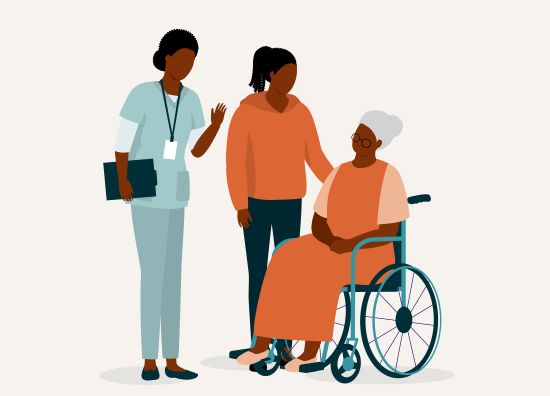
Susan Lucot, MSN, RN, MLT (ASCP), CPHRM
Most organizational leaders in senior care settings want residents to consider the facility or center as their home. However, a fine line exists between creating a comfortable environment and upholding responsibility for keeping residents safe and providing appropriate care.
Read more 
Susan Lucot, MSN, RN, MLT (ASCP), CPHRM
When senior care staff members work with the same residents and family members on a continuing basis, they develop a level of familiarity and comfort with them. In turn, they might be more apt to confide in these individuals and share information, including frustrations and complaints about the workplace.
Read more Susan Lucot, MSN, RN, MLT (ASCP), CPHRM
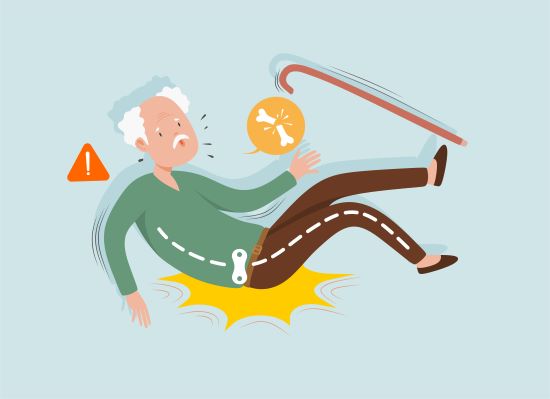
In any senior care setting, it’s crucial that staff understand the importance of maintaining professional boundaries. Their place of work is a business, not a social gathering place. Residents and their family members are in a business relationship with the organization; although they might be friendly with staff, the basis of the relationship is not social. Thus, educating and periodically reminding staff about professional interactions is vital.
Read more
Susan Lucot, MSN, RN, MLT (ASCP), CPHRM
Care transitions, or “handoffs,” are a known area of risk in all healthcare settings, including senior care settings. These processes heavily rely on thorough communication and documentation. Yet, in busy senior living environments with numerous staff members and resident care activities, gaps and oversights can easily happen.
Read more Susan Lucot, MSN, RN, MLT (ASCP), CPHRM
Senior care settings differ significantly from acute care settings in that they serve as residents’ homes. As such, residents and their families might grow attached to the surroundings and the staff, and they may view the center or facility much as they would a private home (in terms of independence and autonomy). As a result, senior care leaders and staff may face complex challenges in balancing residents’ rights with their safety.
Read more Healthcare influencers have become a popular source of health information online, particularly in the wake of the COVID-19 pandemic. Influencers use their online presence on social media platforms to not only educate and generate interest on healthcare topics, but also to combat misinformation. Social media is an ideal way for them to reach more people than they could on an average workday.
Read more
