Senior Care Risk: Inadequate and Inconsistent Handoffs
Susan Lucot, MSN, RN, MLT (ASCP), CPHRM
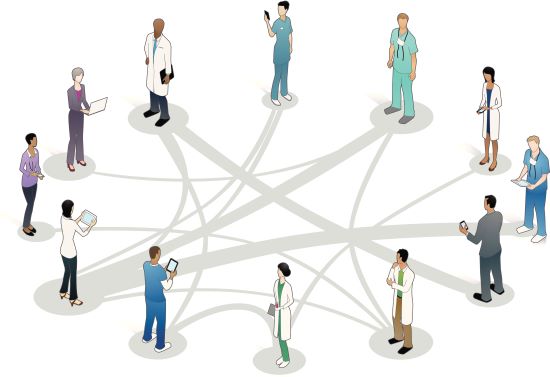
Care transitions, or "handoffs," are a known area of risk in all healthcare settings, including senior care settings. These processes heavily rely on thorough communication and documentation. Yet, in busy senior living environments with numerous staff members and resident care activities, gaps and oversights can easily happen.
When information is missing or not communicated, resident harm might occur. The risk is heightened in senior care because of the vulnerability of the resident population. Even subtle changes might indicate a shift in a person's physical or cognitive condition. Without thorough baseline data, caregivers might be unable to spot these changes and quickly respond. Thus, senior care centers need to devise and implement comprehensive and standardized handoff policies and procedures to ensure appropriate information is transferred from one caregiver to the next.
Although face-to-face handoff reports offer some measure of information transfer, walking rounds provide a much greater picture of what is actually happening with each resident. Allowing both the departing and incoming staff members to assess the resident simultaneously increases the odds of ensuring key information is not overlooked, identifying subtle changes, and verifying treatment approaches.
Other strategies to ensure thorough and consistent handoffs and mitigate poor resident outcomes include the following:
- Develop written policies for transferring critical information, such as medical records, advance directives, medication information, and recent changes in residents' conditions.
- Make sure policies include specific roles of the sender and receiver as well as expectations for verbal and written communication and the use of appropriate tools, forms, and checklists.
- Educate staff about handoff policies and procedures, and encourage them to report any problems and barriers associated with these protocols.
- Include residents and their families (when possible) in handoff conversations to gain additional insights, identify any potential problems or errors, and reinforce person-centered care.
- When significant transitions of care occur (e.g., from one facility to another or one part of a community to another), make sure staff members reevaluate residents' health needs, reassess safety, and revisit goals of care.
- Routinely audit care transition processes to ensure compliance and identify potential areas for improvement.
For additional insights on communication risks in senior care settings and ways to mitigate these issues, click here.
TOOLS & RESOURCES
- Articles
- Booklets
- Checklists
- Claims Data by Specialty
- Claims Data by Topic
- Guidelines
- Product Catalog
- Reference Manual
- Resource Lists
- Risk Management Review
- Risk Q&A
- Risk Tips
- Sample Dental Informed
Consent Forms - Sample OMS Informed
Consent Forms - Senior Care Resources from
Pendulum
