Senior Care Risk: Lack of Meaningful Resident Activities
Susan Lucot, MSN, RN, MLT (ASCP), CPHRM
People reside in senior care settings not only for care and assistance with activities of daily living, but also for socialization and life-enrichment opportunities. Connection and interaction are vital aspects of well-being; yet residents who have behavioral health disorders and/or dementia might feel disconnected or isolated.
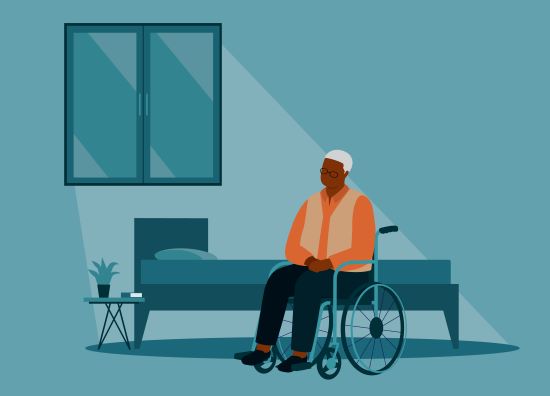
Because resident populations are diverse in age, ethnicity, personality, capabilities, etc., senior care organizations should offer a range of activities for anyone who wants to and can participate, including individuals who have behavioral health disorders and/or dementia. Lack of resident engagement and interaction might lead to negative consequences and poor outcomes. For example, residents who are left to languish in bed may develop pressure injuries. Those who are parked in chairs or wheelchairs all day may attempt to ambulate without assistance, which could lead to falls or elopement. Further, any resident who feels bored or isolated might be more likely to exhibit negative behaviors.
Keeping residents engaged and devising meaningful activities can be challenging and requires careful consideration and planning. Recommendations that may help include the following:
- Make a greater investment in activities and expand programs to go beyond television and bingo games. Although those activities are fine and enjoyable to some, they are limited in actual resident engagement.
- Design activities that fit a range of cognitive and physical ability levels, and connect residents who have similar interests (e.g., gardening, music, trivia, and photography).
- Incorporate activities that are designed to reduce stress, promote positive self-image, and improve coping skills (e.g., meditation, yoga, journaling, and music therapy).
- Offer activities throughout each day and into the evening hours, including weekends and holidays. Senior care environments are diverse, and not everyone will have the same schedule.
- Consider how environmental triggers — such as loud noises, continuous shouting, inappropriate music, and staff behaviors — might affect residents’ willingness to participate or level of agitation. Try to offer activities that meet different preferences and needs.
- Gather residents in communal spaces to allow for more staff oversight to quickly assess and respond to their needs during various activities.
For additional insights on providing care for residents who have behavioral health disorders and/or dementia in senior care settings, click here.
TOOLS & RESOURCES
- Articles
- Booklets
- Checklists
- Claims Data by Specialty
- Claims Data by Topic
- Guidelines
- Product Catalog
- Reference Manual
- Resource Lists
- Risk Management Review
- Risk Q&A
- Risk Tips
- Sample Dental Informed
Consent Forms - Sample OMS Informed
Consent Forms - Senior Care Resources from
Pendulum
