
Healthcare influencers have become a popular source of health information online, particularly in the wake of the COVID-19 pandemic. Influencers use their online presence on social media platforms to not only educate and generate interest on healthcare topics, but also to combat misinformation. Social media is an ideal way for them to reach more people than they could on an average workday.
Read more 
As people age, they may develop medical conditions that are problematic for their dental care. Therefore, it is critically important that dentists obtain, review, and update their patients’ health history at each visit. Dentists also should obtain complete medication lists from patients for all care, including routine oral healthcare.
Read more 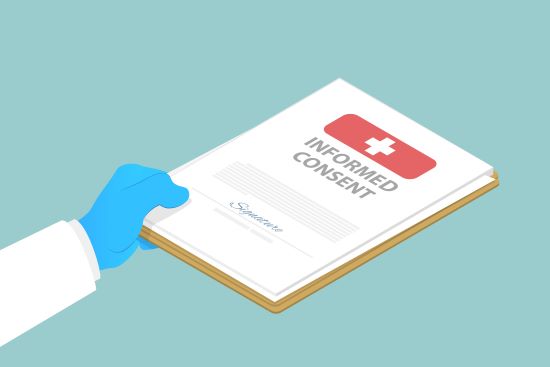
Informed consent is a legal and ethical principle that supports disclosing important information to patients so they can understand proposed treatments and fully participate in their care. The basis of informed consent rests on the principle of autonomy, which recognizes the right of competent individuals to make decisions regarding their healthcare.
Read more 
Marcy A. Metzgar
The United States is facing a maternity healthcare provider shortage. What may reverse this trend is a robust and more diverse workforce of midwives educated through professionally accredited midwifery education programs.1
Read more 
Laura M. Cascella, MA, CPHRM
Mitigating violence in healthcare is a top concern for all types of settings, from small office practices to large health systems. An important strategy in the toolbox for violence prevention is training staff how to de-escalate aggressive, hostile, and violent patient behaviors. Yet, as patient behavior intensifies and edges closer to violence, de-escalation becomes more challenging and secondary to protecting other patients and staff members. Thus, a crucial aspect of de-escalation is assessing patients for the potential for aggression before it occurs.
Read more
Referring patients to specialists is common in both dental and medical practice. In fact, making appropriate referrals is a recommended risk strategy to avoid poor outcomes that result from practicing outside of one’s scope of expertise. However, healthcare providers can be accused of “negligent referral” if they refer patients to specialists who mishandle the patients’ cases and cause injuries.
Read more Laura M. Cascella, MA, CPHRM
General surgeons face various risks in day-to-day practice. Adverse outcomes related to surgical treatment, diagnosis, and medical treatment can result from numerous factors, including issues with technical competency, clinical judgment, communication, documentation, and more.
Read more Laura M. Cascella, MA, CPHRM
Throughout their careers, and in the course of providing patient care, healthcare providers are exposed to liability risk. One type of risk that providers face is inquiries from state boards as a result of complaints about negligent practice or unethical or illegal behavior. These complaints might come from patients, their families, other providers, the state attorney general’s office, media reports, and so on. In some cases, complaints to the board also might coincide with malpractice lawsuits.
Read more
